The UAE summer is unforgiving. With temperatures soaring past 45°C and humidity levels fluctuating dramatically between coastal and inland areas, your garden faces extreme stress from June through September. But with the right strategies, you can keep your garden not just surviving — but thriving — through the harshest months of the year.
At Yad Al Ma, we've spent over a decade helping homeowners and businesses in Dubai, Abu Dhabi, and across the UAE transform and maintain their outdoor spaces. These are the ten garden care strategies our expert team relies on every single summer.
1. Water Early in the Morning — Not in the Evening
This single change can save your plants from fungal diseases while ensuring maximum water absorption. When you water in the early morning (between 5:00 AM and 8:00 AM), the soil absorbs moisture before the intense midday heat causes rapid evaporation. The foliage also has time to dry before nightfall, reducing the risk of fungal infections like powdery mildew and root rot.
Avoid watering between 10:00 AM and 4:00 PM entirely. Water droplets on leaves can act as magnifying glasses, potentially causing leaf scorch in direct sunlight. If your plants are visibly wilting in the afternoon heat, resist the urge to water — most plants recover on their own once temperatures drop in the evening.
2. Apply a Generous Layer of Mulch
Mulching is perhaps the single most impactful thing you can do for your UAE garden in summer. A 7–10 cm layer of organic mulch around your plants provides multiple critical benefits during the extreme heat.
Quality mulch reduces soil surface temperature by up to 10°C — a significant difference when soil temperatures without mulch can reach 60°C or higher on a summer afternoon. It also reduces water evaporation from the soil by up to 70%, meaning you water less frequently while keeping roots consistently moist.
Best Mulch Options for UAE Gardens
- Wood chips: Excellent insulation, breaks down slowly, ideal for established shrubs and trees
- Straw: Lightweight, easy to apply, decomposes to enrich soil
- Gravel or pebbles: Doesn't decompose, great for desert-themed gardens and drought-tolerant plants
- Coco peat: Excellent water retention, widely available in UAE, good for vegetable gardens
- Date palm fronds (shredded): A locally sustainable option, easily sourced across the Emirates
Always leave a small gap around the base of plant stems and tree trunks — mulch piled directly against stems can trap moisture and cause crown rot.
3. Choose Heat-Tolerant Plants That Thrive in UAE Conditions
The best summer gardening advice is to work with the UAE climate rather than against it. Selecting plants naturally adapted to heat and drought drastically reduces the care and water they need.
Bougainvillea
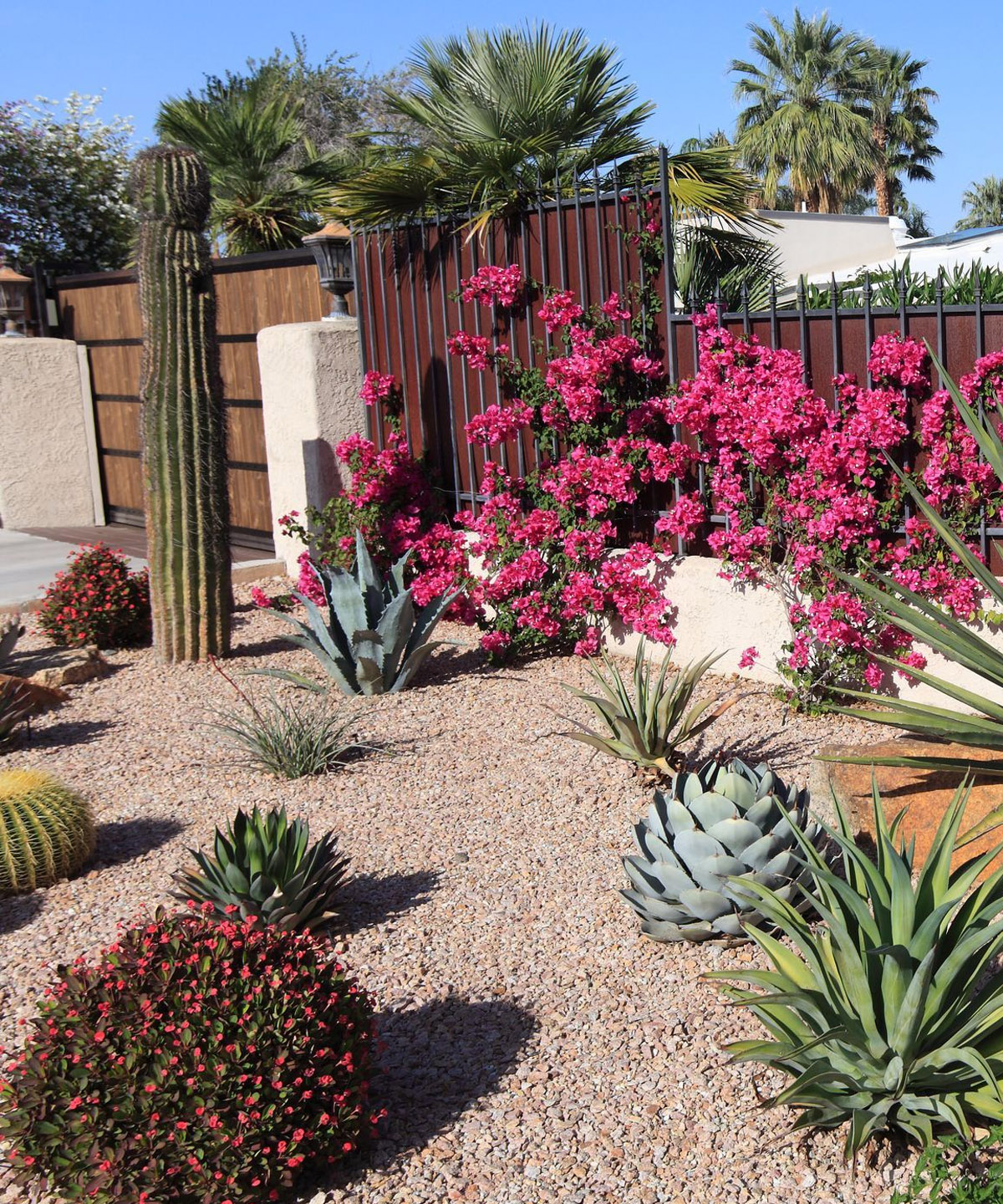
Highly RecommendedOne of the UAE's most beloved plants for good reason. Bougainvillea thrives in full sun and actually performs better in dry conditions — too much water reduces flowering. It provides stunning colour through walls, fences, and pergolas with minimal water once established.
Frangipani (Plumeria)
Popular ChoiceWith its intoxicating fragrance and waxy, tropical flowers, Frangipani is perfectly suited to UAE summers. It's drought-tolerant once established, loves the heat, and produces flowers prolifically from spring through late autumn.
Desert Rose (Adenium)
UAE NativePerhaps the most perfectly adapted ornamental plant for UAE gardens. Desert Rose is a succulent that stores water in its swollen trunk, producing gorgeous pink and red flowers through summer. Reduce watering during summer dormancy periods.
Lantana
Great GroundcoverLantana is practically indestructible in UAE conditions. This colourful flowering shrub thrives in extreme heat, attracts butterflies, and requires very little water once established. Available in yellow, orange, red, and mixed-colour varieties.
4. Amend Your Soil for Better Water Retention
Native UAE soil — predominantly sandy — drains water far too quickly for most garden plants to absorb sufficient moisture. In summer, improving your soil's structure is critical to water efficiency.
Incorporate generous amounts of organic compost (at least 30% by volume) into your planting beds. This improves water retention significantly. Coco peat (coir) is another excellent amendment widely available at UAE garden centres — it can hold up to 8–10 times its weight in water while remaining aerated for root health.
"In my 15 years of landscaping in the UAE, I've seen more gardens fail from poor soil than from lack of water. Sandy soil without amendment is essentially a drainage pipe — water flows straight through before roots can absorb it."
— Ahmed Al Rashdi, Landscape Expert, Yad Al Ma
For established gardens where you can't till the soil, top-dressing with compost (a 3–5 cm layer spread around plants) and letting it work its way down through watering is an effective alternative. Do this in the cooler early morning hours during summer.
5. Install or Upgrade Shade Structures
Providing strategic shade can reduce plant stress dramatically in summer. Shade cloth rated at 30–50% shade factor, stretched over a simple frame structure or attached to existing pergolas, can reduce ambient temperature beneath by 5–8°C.
For container plants, which heat up far more rapidly than in-ground plants, moving them to a partially shaded position during the hottest months can be the difference between a living and dead plant. East-facing positions are ideal — they receive gentle morning sun and are shaded from the brutal afternoon heat.
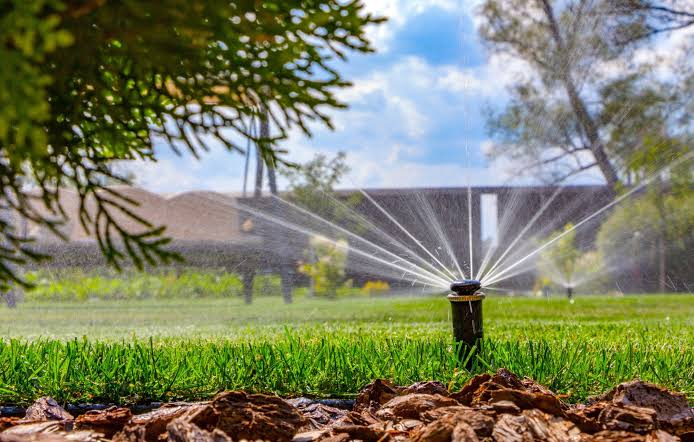
6. Optimise Your Irrigation System for Summer Demand
Your irrigation schedule that worked in March will be woefully inadequate by July. Summer in the UAE typically requires 2–3 times more water than cooler months. But more water doesn't always mean longer run times — it means smarter scheduling.
Summer Irrigation Best Practices
- Split cycles: Instead of one 20-minute run, program two 10-minute runs with a 30-minute break in between. This allows water to percolate before the next cycle, reducing run-off on compacted or sandy soils.
- Drip vs. spray: Drip irrigation delivers water directly to root zones and is far more efficient than spray in summer conditions. If you have spray heads, consider switching high-demand beds to drip.
- Check for leaks: Heat causes pipe fittings to expand and contract, which can loosen connections and create leaks. Inspect your system monthly.
- Install a smart controller: Smart controllers with ET (evapotranspiration) data automatically adjust run times based on real-time weather conditions, saving 20–40% water compared to fixed schedules.
7. Stay Vigilant for Summer Pests
The UAE summer brings a surge in certain garden pests. Spider mites thrive in hot, dry conditions and can devastate plants remarkably quickly. Look for fine webbing on the undersides of leaves and a dusty, stippled appearance on foliage.
Mealybugs, scale insects, and whiteflies also proliferate in the heat. Inspect your plants weekly — pay particular attention to new growth, which is most vulnerable. A strong jet of water can dislodge many soft-bodied pests before chemical intervention becomes necessary.
8. Prune Strategically — Timing Is Everything
Summer pruning requires a very different approach than the major pruning done in cooler months. Avoid heavy pruning during peak summer heat — removing large amounts of foliage stresses plants when they're already under heat stress and reduces the shade canopy that keeps root zones cooler.
Light maintenance pruning is appropriate throughout summer: removing dead or diseased wood, cutting back spent flower heads to encourage reblooming, and clearing any growth that impedes air circulation. Save major structural pruning for October–November when temperatures drop below 35°C and plants can recover comfortably.
For palms, summer is acceptable for frond removal — but only remove brown, fully dead fronds. Removing green fronds in summer can stress the tree and create wounds that are slow to close in the heat.
9. Adjust Your Fertilisation Schedule
Many gardeners make the mistake of applying heavy doses of fertiliser in summer, thinking struggling plants need a nutrient boost. In reality, fertilising heavily during peak heat can make things worse — concentrated fertiliser salts in hot, dry soil can cause root burn.
Summer Fertilisation Guidelines for UAE Gardens
- April–May: Apply a balanced slow-release granular fertiliser (NPK 14-14-14 or similar) as temperatures begin to rise. This provides sustained nutrition through early summer without risk of salt burn.
- June–August: Switch to diluted liquid fertiliser at half the recommended strength, applied in the early morning with your irrigation. Avoid high-nitrogen fertilisers which promote lush, tender growth vulnerable to heat and pests.
- September–October: As temperatures ease, apply a potassium-rich fertiliser to strengthen plant cell walls and prepare plants for the productive cooler growing season.
Seaweed extract and humic acid are excellent summer supplements — they're gentle on roots, improve soil biology, and enhance drought tolerance at the cellular level.
10. Use Drought-Tolerant Groundcovers to Protect Bare Soil
Bare soil in a UAE summer garden is a problem in multiple ways: it heats up rapidly, loses moisture through evaporation, compacts under irrigation, and encourages weed growth. The solution is to cover every bare surface with either mulch (see Tip 2) or living groundcover plants.
Drought-tolerant groundcovers for UAE conditions include Portulaca (Moss Rose), which produces jewel-bright flowers and thrives in full sun with minimal water. Gazania is another excellent choice, with daisy-like flowers in orange, yellow, and red. Wedelia (Sphagneticola trilobata) creates a dense, weed-suppressing mat in partial shade positions.
Ice Plant (Carpobrotus) is particularly well-adapted to UAE conditions, tolerating salt spray, drought, and heat while producing stunning purple-pink flowers. It's often used on slopes and in coastal gardens across Dubai and Sharjah.
Final Thoughts: Your UAE Summer Garden Checklist
Managing a garden through UAE summers is genuinely challenging, but the reward — a lush, productive garden year-round — is more than worth the effort. The homeowners and businesses we work with at Yad Al Ma are often surprised by how resilient their gardens become once the right systems and plant selections are in place.
If you're finding summer garden management overwhelming, or if your garden has suffered heat stress damage and needs professional assessment, our team is ready to help. We offer comprehensive garden health checks, irrigation system audits, and tailored summer care plans for properties across Dubai, Abu Dhabi, Sharjah, and the wider UAE.